Why Waterproofing Matters for Long-Term Building Protection
Champz Services LLC — January 2025
Houston's climate makes waterproofing one of the most consequential investments a property owner can make. With annual rainfall averaging over 50 inches and frequent tropical weather systems that deliver intense, concentrated rainfall, the building envelope — every surface and joint that separates the structure from the weather — is under continuous and demanding stress.
Waterproofing is not a single product or application. It is a system of materials and methods applied to the various surfaces and transitions of a building to prevent moisture from entering the structure. When that system is intact and performing, the interior spaces, structural elements, and contents of a building are protected. When it fails — through age, damage, or inadequate original installation — the consequences compound over time in ways that become progressively more expensive to address.
What Waterproofing Actually Protects
Property owners sometimes think of waterproofing in terms of preventing puddles or obvious flooding. The more important function is protecting the structural and envelope components that are not visible during daily building use.
Concrete and masonry. Concrete is not waterproof. It is porous and absorbs moisture continuously when exposed to rain, humidity, and ground contact. Over time, moisture in concrete initiates and accelerates corrosion of embedded reinforcing steel. When rebar corrodes, it expands, exerting pressure on the surrounding concrete that eventually causes spalling — sections of the concrete surface breaking off. Spalling is expensive to repair and accelerates further if left unaddressed. Waterproofing the exposed concrete surface significantly slows this process.
Balconies and elevated slabs. Elevated concrete decks — balconies, walkways, parking structures, and plaza decks over occupied spaces — are among the most vulnerable building elements. They are exposed to weather from above and support live loads that stress the concrete through repeated cycles. Without an effective waterproofing membrane, water penetrates through cracks and joints, corrodes the reinforcing steel within the deck slab, and eventually causes structural damage to the deck itself and to the occupied space below. Deck waterproofing systems provide the membrane layer that prevents this infiltration cycle.
Below-grade walls and foundations. In Houston, hydrostatic pressure from saturated soils after rain events pushes water against foundation walls and basement slabs. Without adequate waterproofing, that pressure eventually drives water through wall cracks, construction joints, and penetrations. Moisture in below-grade spaces promotes mold growth, corrodes mechanical and electrical equipment, and in severe cases threatens structural integrity.
Building envelope transitions. Every transition in the building envelope — where the wall meets the roof, where windows meet the facade, where pipes or conduit penetrate the wall — is a potential leak point. Sealants, flashings, and transition membranes at these joints are part of the waterproofing system, and their failure is among the most common sources of moisture infiltration in commercial buildings.
The Cost of Deferred Waterproofing
One of the most reliable patterns in building maintenance is that deferred waterproofing becomes structural repair. The sequence is consistent: a waterproofing membrane fails or was never adequate. Moisture begins to enter the structure. Over months and years, that moisture corrodes rebar, degrades concrete, saturates insulation, and promotes biological growth. By the time visible symptoms appear — staining, spalling, mold, or interior water damage — the cost to address the problem has multiplied significantly from what it would have been at the initial waterproofing stage.
A waterproofing membrane applied to an elevated concrete deck might cost a fraction of what spalling repair, rebar treatment, and deck restoration cost a decade later when the same deck was left unprotected. This multiplication of cost is the core financial argument for proactive waterproofing: it is almost always less expensive to protect a surface than to restore it after moisture damage has occurred.
Waterproofing Systems for Different Applications
Different building surfaces require different waterproofing approaches, and choosing the right system for the specific application is as important as the quality of the installation.
Elastomeric coatings are flexible membrane systems typically applied to exterior walls, parapet walls, and concrete surfaces. They bridge hairline cracks and accommodate the thermal movement of masonry and concrete. In Houston's climate, elastomeric wall coatings provide significantly longer moisture resistance than standard exterior paint.
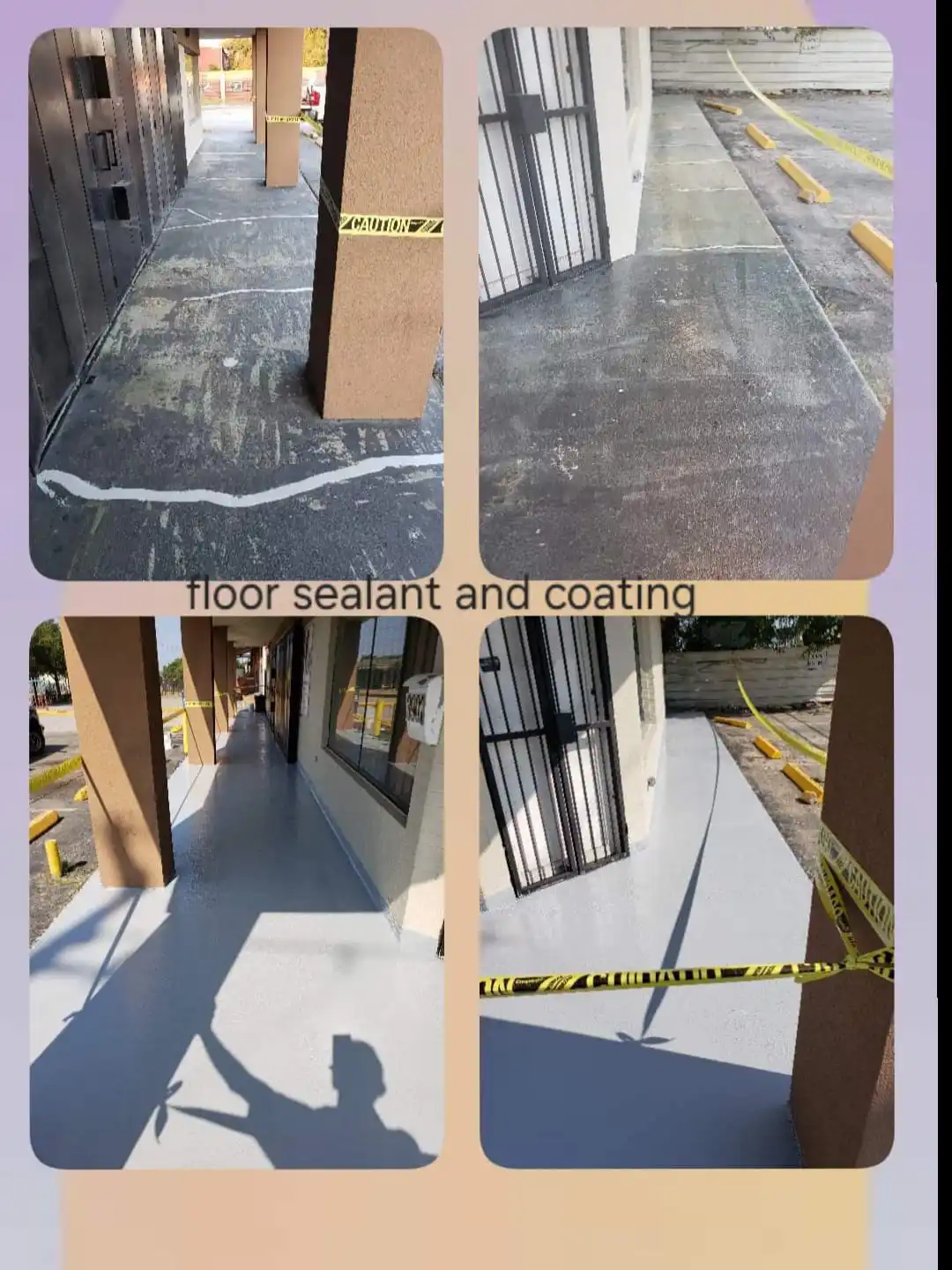
Deck coating systems for balconies and walkways include a base membrane layer bonded to the concrete substrate, reinforcement fabric at stress points, and a wear coat with slip-resistant aggregate. These systems must be flexible enough to accommodate the thermal movement of the slab while maintaining waterproof integrity under foot traffic.
Crystalline waterproofing uses active chemicals that react with water and concrete to form crystite crystals that block moisture pathways within the concrete matrix. This approach is particularly effective for below-grade concrete where traditional surface membranes are difficult to protect from hydrostatic pressure.
Sheet-applied membranes — modified bitumen and similar products — are used on roof decks and some below-grade applications. They provide a robust, continuous barrier and are suitable for surfaces that will be covered by additional materials.
Maintenance of Waterproofing Systems
Waterproofing systems are not permanent. Even high-quality systems require periodic inspection and maintenance to continue performing at their design intent. Joints and transitions — the most vulnerable points in any system — require periodic sealant renewal. Surface coatings have a finite service life and require recoating when their protective properties diminish. Drainage systems associated with waterproofed decks require regular clearing to prevent standing water that stresses the membrane.
A proactive maintenance program that includes periodic professional inspection of waterproofed surfaces, prompt repair of any identified deficiencies, and timely recoating of surface systems as they reach the end of their service life is significantly less expensive than emergency repair after moisture damage has occurred.
Working with Champz Services LLC
We provide waterproofing assessments, installation, and maintenance for commercial and residential properties throughout Houston. Whether your concern is a balcony deck showing signs of moisture intrusion, an exterior wall that has not been coated since the original construction, or a below-grade wall with active seepage, we can evaluate the current condition and recommend the right approach for your specific situation.
Contact us at 346-565-0518 or through our contact page to schedule a free assessment.
Free Waterproofing Assessment
We evaluate your building's current moisture protection and recommend the right system.